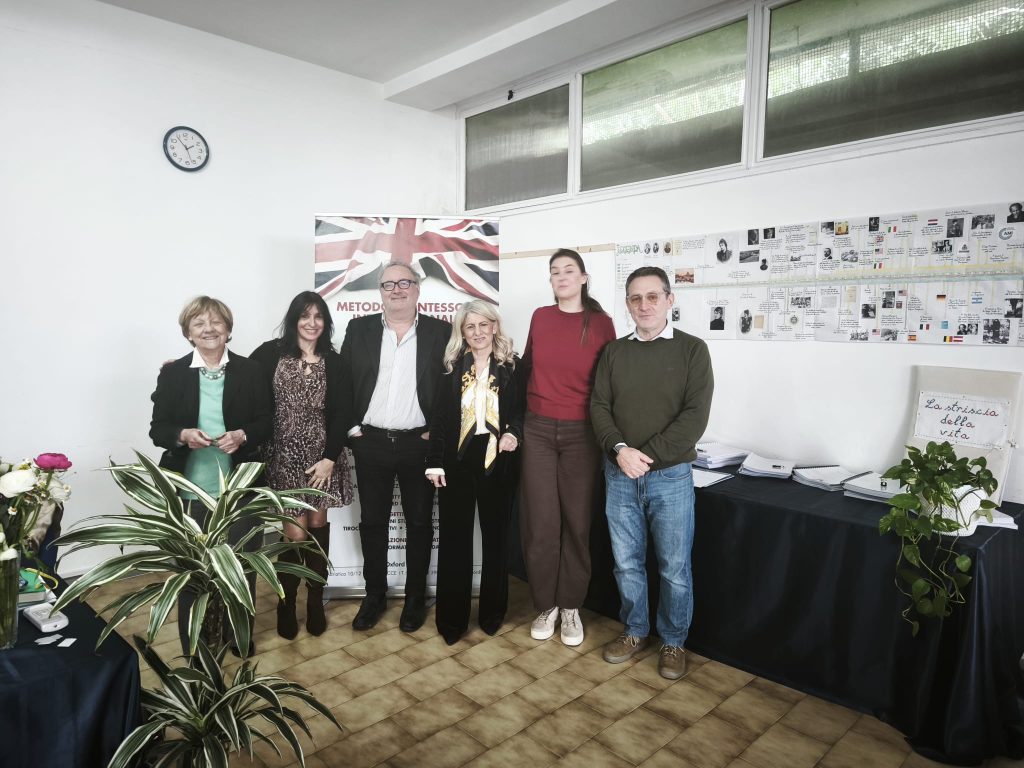
La nostra scuola ha ricevuto da Trinity College London il Trinity Cultural Experience Badge per l’anno accademico 2025-2026, un riconoscimento che valorizza l’esperienza degli esami in presenza come momento educativo autentico e coinvolgente.
Trinity College London è una Charity Educativa e un Ente Certificatore Internazionale che eroga esami di Lingua Inglese, Musica e Arti Performative, attivo dal 1877 e presente in oltre 80 paesi nel mondo.
Le Qualifiche e le Certificazioni Trinity trovano ampia spendibilità in ambito professionale e accademico e sono riconosciute a livello nazionale e internazionale.
Perchè Trinity
Relazionarsi con un esaminatore esterno durante la prova significa offrire agli studenti un’opportunità concreta per rafforzare la preparazione e sviluppare competenze trasversali sempre più importanti come la sicurezza in sé stessi, la consapevolezza dei propri progressi e il pensiero critico.
Un’esperienza che va oltre la prova d’esame, trasformandosi in un’occasione di crescita personale e di preparazione ai futuri percorsi di studio e lavoro in un contesto internazionale.
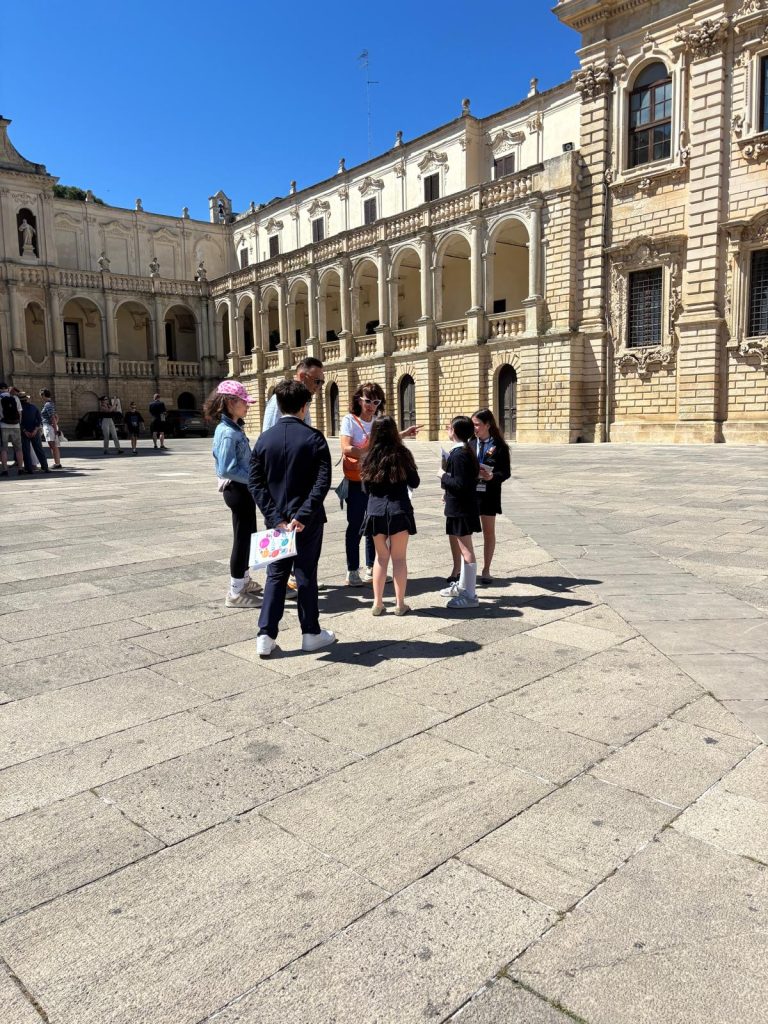
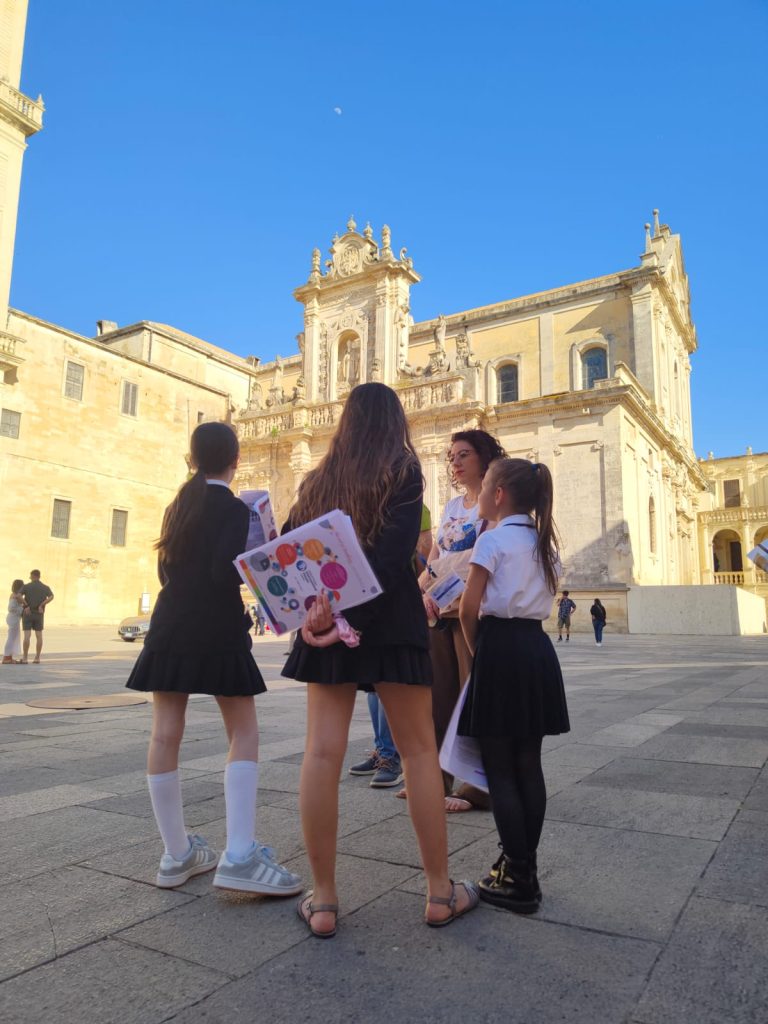
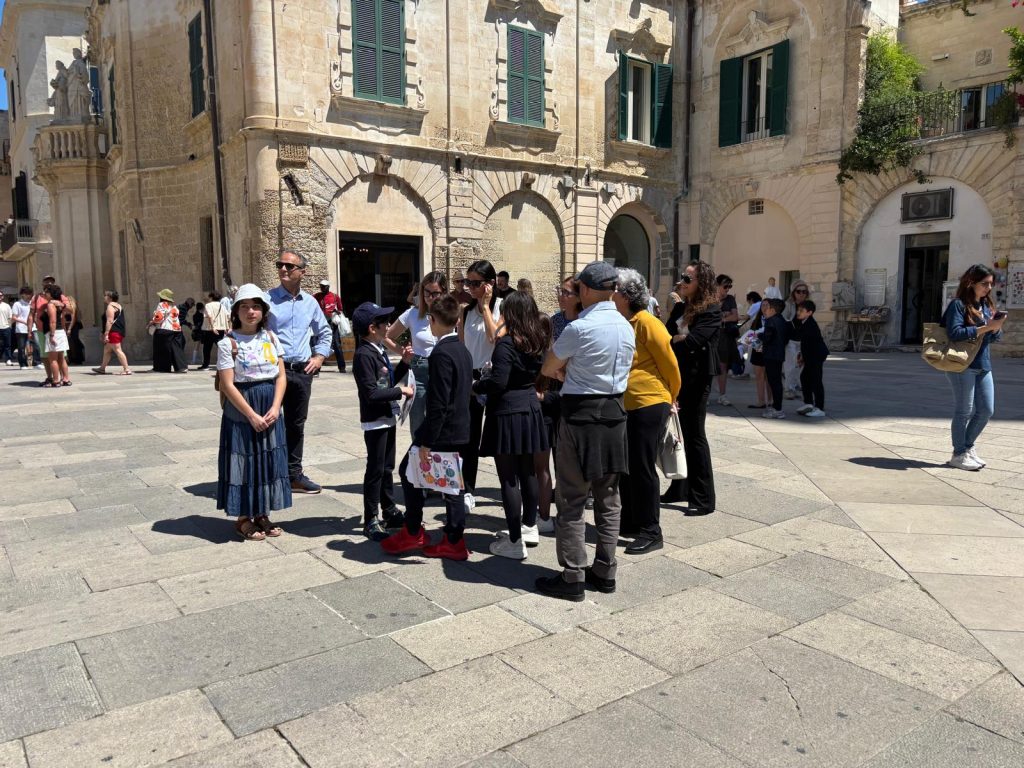
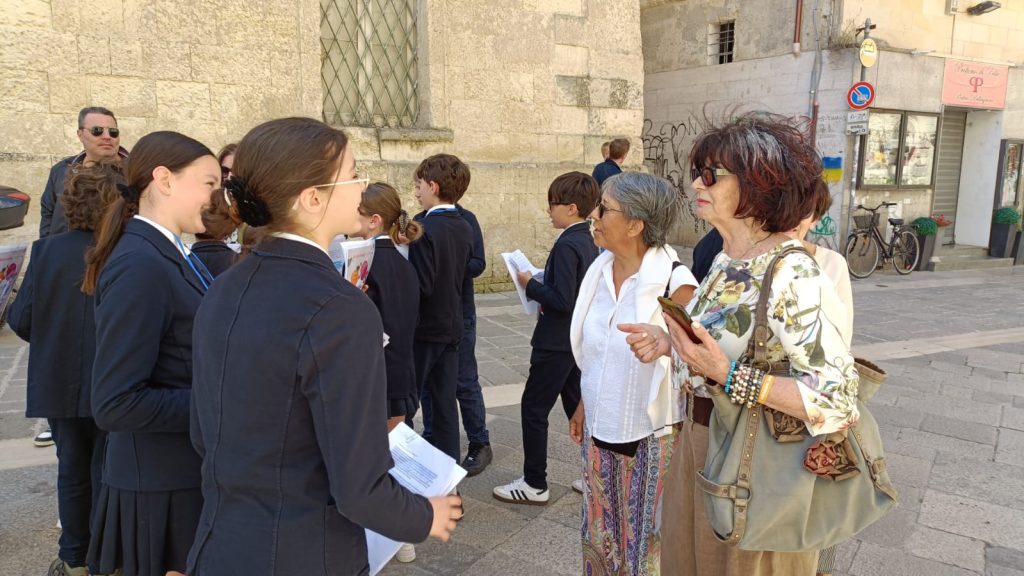
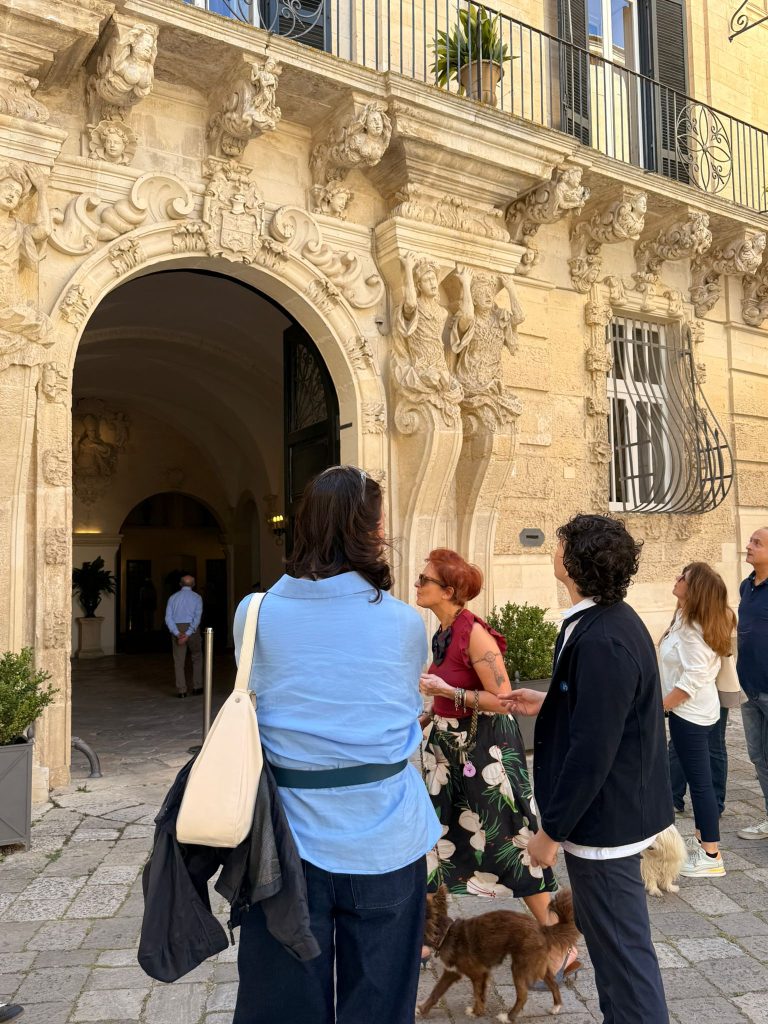
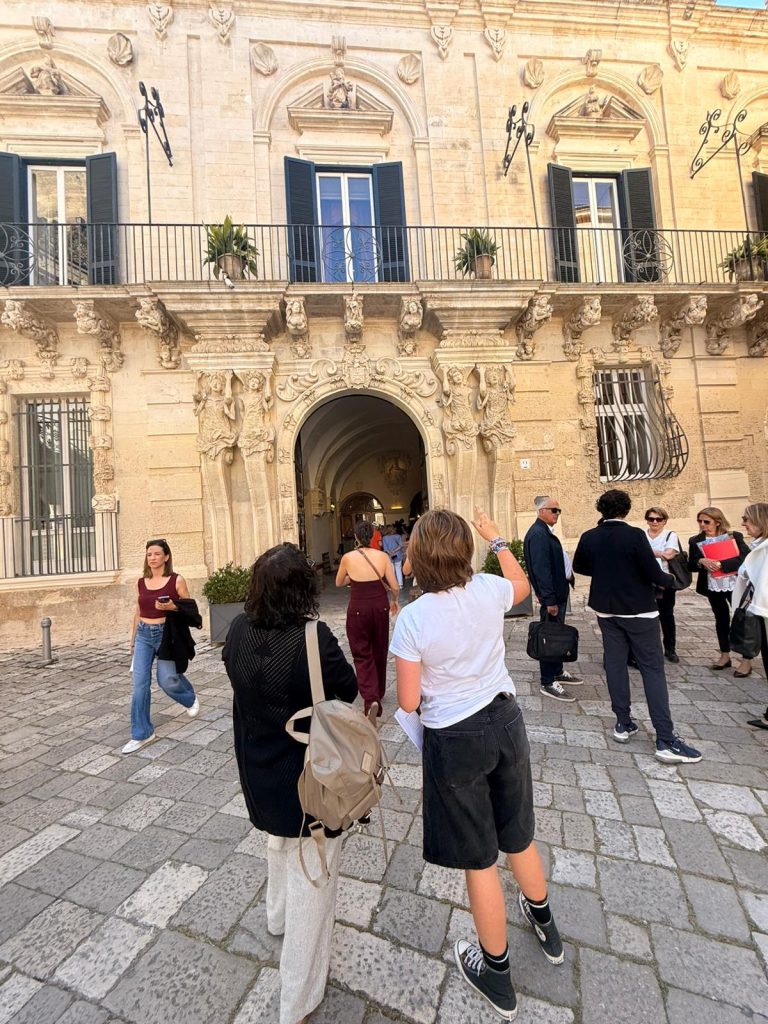
Si aprono i cortili belli della città di Lecce e anche quest’anno tanti sono stati gli Istituti scolastici coinvolti con gli studenti a far da “Ciceroni per un giorno”. Tra questi anche i nostri alunni che si sono cimentati con visitatori e turisti illustrando l’itinerario e “raccontando” i monumenti in lingua italiana, inglese e spagnola
Ad essere coinvolte nell’iniziativa le classi IV A – IV B – V A – V B della Scuola Primaria e delle classi I – II – III della Scuola Secondaria di I grado dell’Istituto Montessori Internazionale IH Oxford Lecce.
L’iniziativa, che si ripete a maggio di ogni anno, è promossa dall’Associazione Dimore Storiche Italiane e, con il sostegno del Comune di Lecce, approda alla sua 31esima edizione.
“Cortili Aperti” intende mettere a nudo le bellezze più nascoste di una città meravigliosa, avvolta nell’arte e nella storia, fra i segni indelebili di un barocco trionfante.
Un vero e proprio museo a cielo aperto, costituito da palazzi nobiliari, corti, giardini all’italiana, pergolati fioriti di glicine e bouganville, tipici delle storiche abitazioni del sud, angoli nascosti che sembrano istantanee arrivate direttamente dal passato, scenografie che immortalano un tempo che fu.
Scorci che custodiscono delle chicche solitamente inaccessibili, essendo tuttora dimore di famiglie e privati. tutto ciò attira turisti e visitatori, non lasciando indifferente neppure chi è abituato quotidianamente o quasi all’ammirazione di simili tesori.
I nostri ragazzi si sono distinti non soltanto per le competenze storico-artistico-linguistiche, ma anche per il garbo e l’entusiasmo con cui, insieme ai propri docenti e a tutto lo staff, hanno condotto le attività.
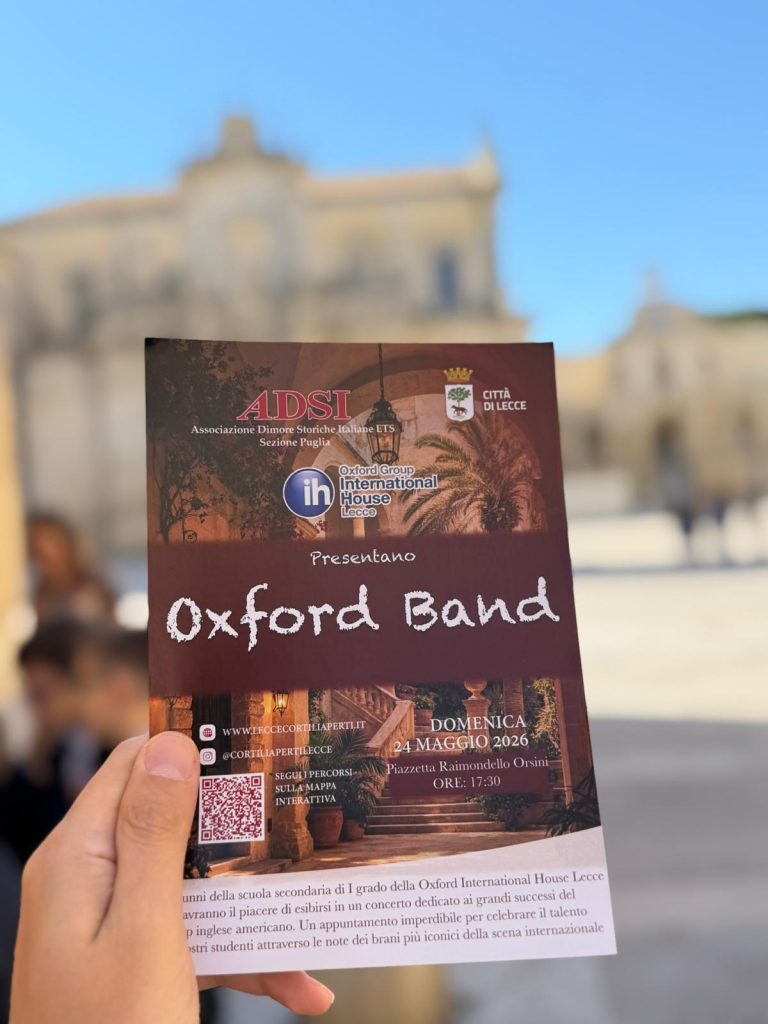
Musica con la Oxford Band
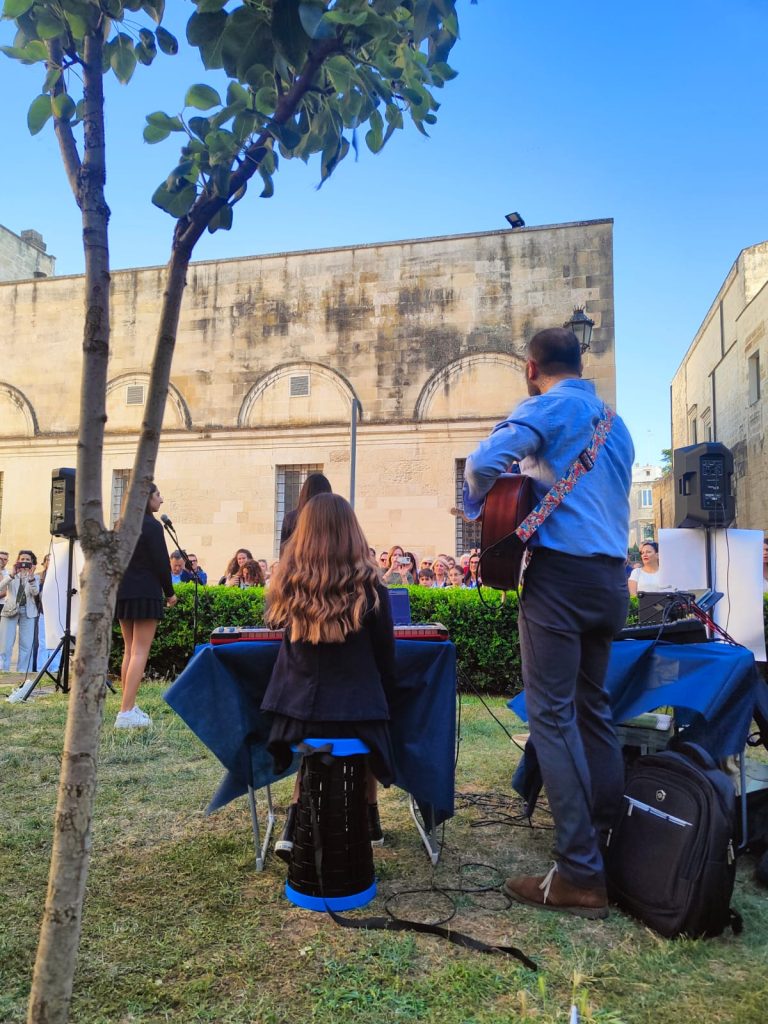
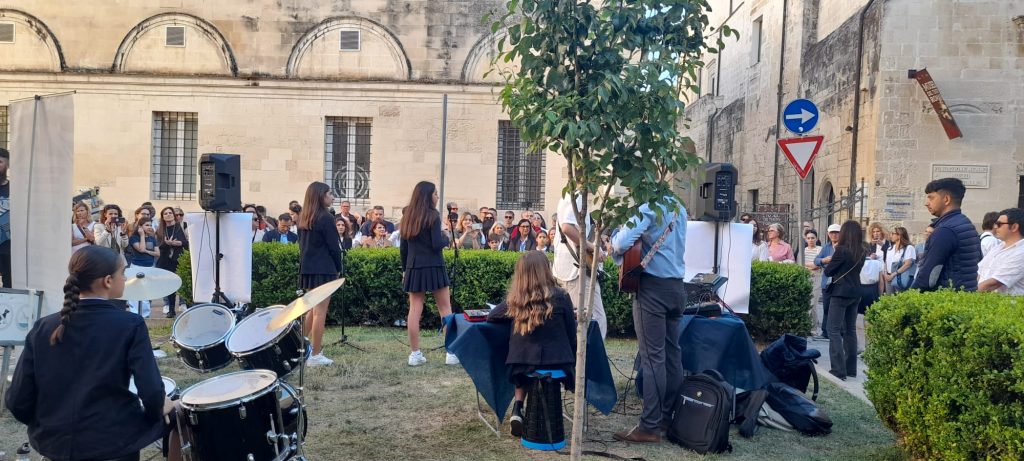
Fiore all’occhiello, come per la scorsa edizione, è stata la Oxford Band: basso, batteria, piano e voce che hanno animato piazzetta Raimondo Orsini nel cuore della città, con i brani dei grandi successi del pop anglo americano. Le note dei brani più iconici dello scenario internazionale sono state magistralmente dirette dal maestro Andrea Cataldo.
“Un grande successo per l’inziiativa intera e per i nostri ragazzi in particolare – hanno dichiiarato all’unisono la direttrice didattica Anna Grazia Buttazzo e la coordinatrice delle attività educative e didattiche Teresa Romano. “Ringrazio tutto il corpo docente , gli assistenti e la Segreteria per l’impegno dimostrato – ha proseguito la Buttazzo – Siamo una grande squadra e anche oggi l’abbiamo dimostrato”.
Venerdì 8 e lunedì 11 Maggio i bambini di 3 anni della scuola dell’Infanzia IH Oxford sono stati impegnati in una ”missione speciale”: sono saliti su un colorato “Corda-bus” e guidati dalle loro docenti si sono recati in panificio per acquistare una buona merenda.
L’esperienza in giardino è stata un punto di partenza verso la scoperta del mondo, inserendo tra le attività formative anche le uscite nel nostro quartiere.
E’ stata un’attività molto emozionante e di crescita per i nostri alunni. Hanno scoperto cosa c’è vicino alla nostra scuola, hanno incrociato i sorrisi ed i saluti dei passanti, hanno ascoltato i suoni della strada, hanno fatto esperienza di piccole regole dell’educazione stradale e soprattutto hanno avuto prova delle loro capacità di riuscire a portare a termine un compito complesso.
A fare da cornice a questa meravigliosa missione c’è stata una leggera pioggia che ha reso tutto più avventuroso e ci ha dimostrato che anche la pioggia può regalarci delle “belle giornate”.
Al ritorno a scuola i bambini hanno gustato, con grande soddisfazione, il loro panino con una spruzzatina di marmellata. Alla prossima missione nel nostro quartiere!
Ci sono momenti in cui la scuola si trasforma in un palcoscenico e l’apprendimento diventa pura emozione.
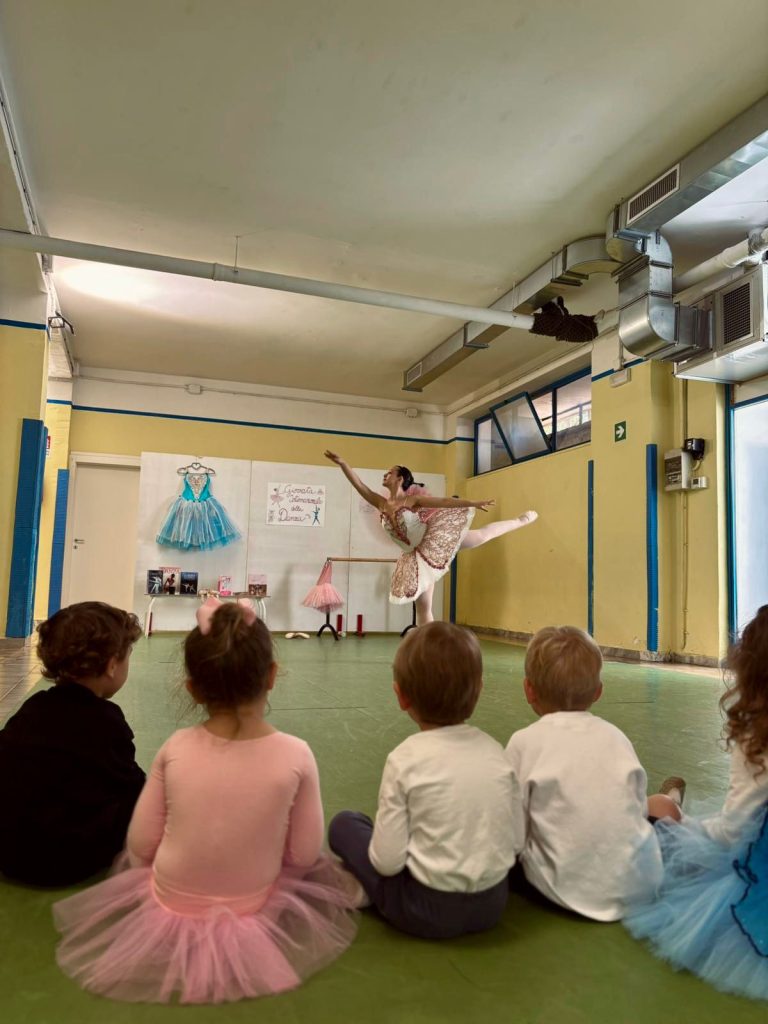
On the occasion of Giornata Internazionale della Danza, la scuola dell’infanzia della Oxford Group International House di Lecce ha aperto le sue porte a un’esperienza magica, capace di incantare i piccoli alunni e celebrare la nobiltà di quest’arte universale.
La Bella addormentata
L’evento, guidato dalla maestra Chiara Valzano, si è aperto con un momento di grande suggestione: i bambini hanno assistito dal vivo ad una variazione tratta da “La Bella Addormentata“. L’eleganza del balletto classico ha catturato lo stupore dei piccoli, introducendoli alla nobiltà di questa disciplina.
Lezione di danza
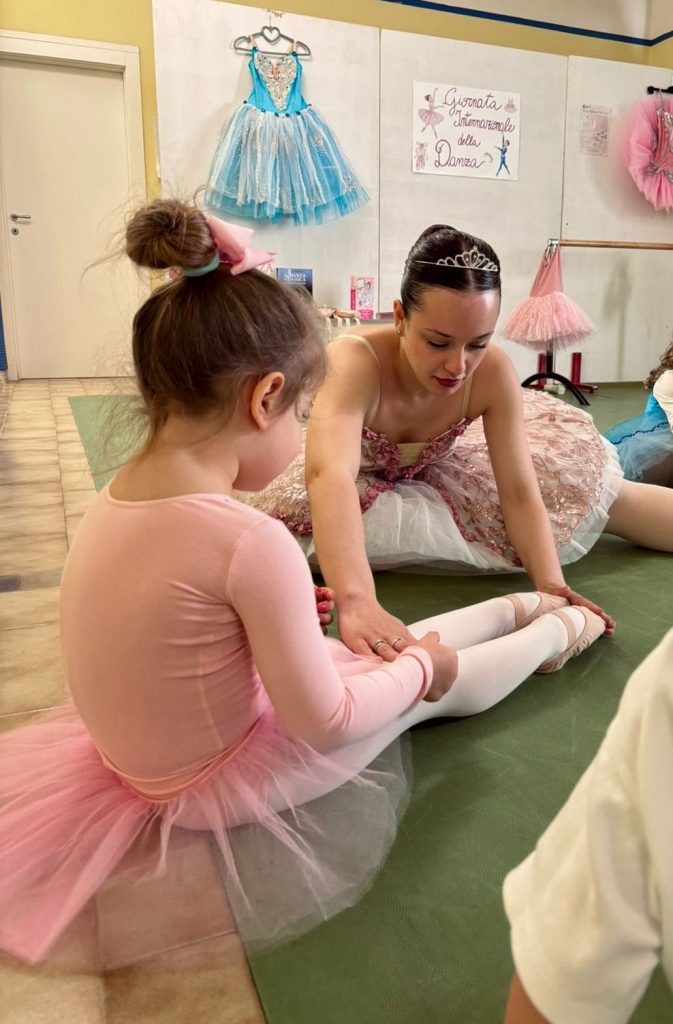
Subito dopo, l’entusiasmo è diventato protagonista con una lezione di danza ludica. Tra esercizi di riscaldamento e di coordinazione, révérence e tantissimi sorrisi, i bambini hanno esplorato il linguaggio del corpo.
Un’iniziativa che conferma la missione della scuola: educare alla bellezza e alla sensibilità, usando la danza come strumento prezioso per forgiare l’animo e la fiducia in se stessi sin da piccoli.
On April 24, 2026, the Oxford Group International House resonated with pure energy! At our Montessori nursery, an unforgettable “Rock’n’Roll Day“.
Our little “musicians” embarked on a proper jam session, enthusiastically experimenting with instruments such as drums, electric bass, guitars, and shaker rhythms.
But it wasn't just about making noise! After letting their creativity run wild, the children had the opportunity to listen to some of the classic pieces that have made the History of rock.
It was an educational and joyful experience, perfectly in line with the spirit of discovery and autonomy of Montessori method, which saw the children explore the world of music at full volume!
After all, music is a fundamental tool for growth, capable of stimulating creativity and the coordination from the first steps.
The children from the sections: Infant School Years II A, II B, III A, the 17 April 2026 they had the opportunity to meet the writer, as well as a physics professor, Eleonora Tommasi.
The meeting took place in our institute's auditorium.
Eleonora Tommasi
A graduate with honours from the University of Salento, she has collaborated with INFN (National Institute for Nuclear Physics). She currently teaches Mathematics and Physics at the “Vallone” Scientific High School in Galatina.
She is the author, among other works, of the bestselling book for children “Grandpa Einstein and the magic of physics!”, which explains complex concepts like relativity through the language of fairy tales.
Her work was awarded the “Giancarlo Dosi” National Scientific Dissemination Prize 2024 by the CNR of Rome.
The meeting
The book presentation, featuring fairytale narration and a Q&A session, is accompanied by “magic” experiments. Physics, with the direct involvement of children. The experience does not aim solely at explaining scientific phenomena, but seeks to introduce children – through wonder – to beauty of the Science, providing a “gentle” approach to a discipline that is often seen as difficult and complex.
Having finished reading, then, all that remains is to ask: how can one not love physics?
From the structure of the atom to the curvature of space-time, from the fundamental principles of quantum mechanics to the concepts of antimatter and gravity: story after story, reading the book accompanies you on a journey of revealed mysteries, amazing adventures and magic formulas.
Where physics hides around every corner!
Amidst laughter and wonder, science transforms into magic... and the world becomes a grand experiment, ripe for exploration!
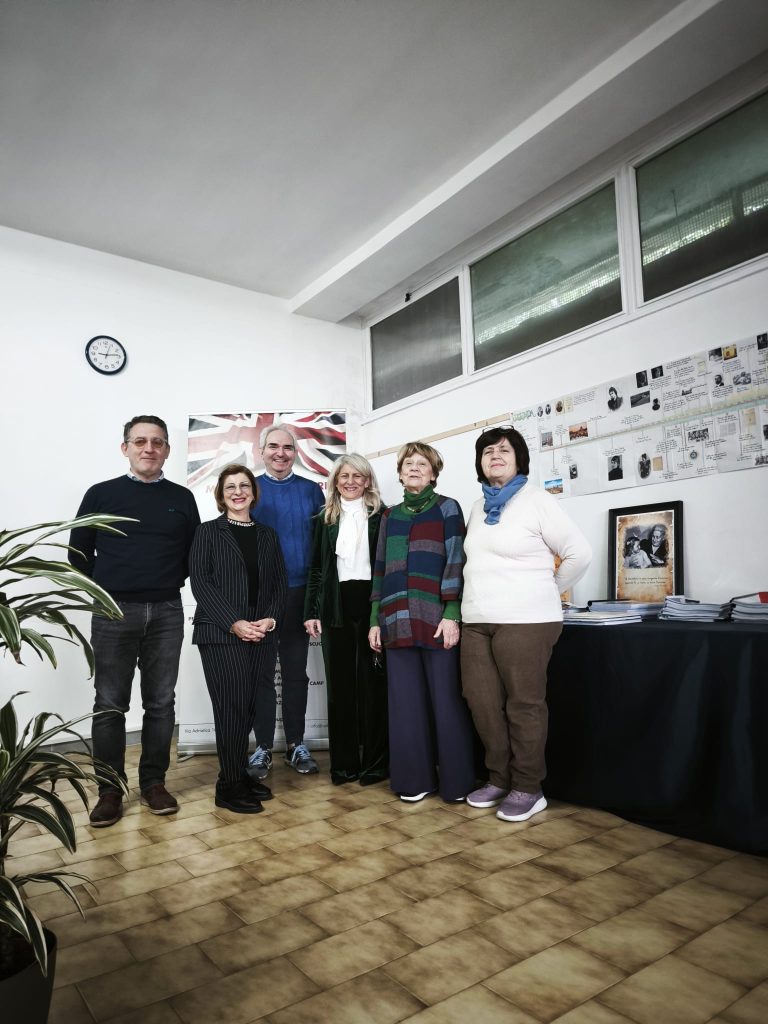
On 21 October 2024, the Montessori teacher training courses – Early Childhood, Early Years, Primary – organised by the Opera Nazionale Montessori in collaboration with the Oxford Cultural Association, commenced at The Mazzini Modugno Institute in Bari.
The first achievement of the ’diploma objective“ occurred on the 21 and 22 June 2026 for the participants on the Early Years pathway who undertook the final examination at the International House Oxford centre in Lecce.
Course exams for nursery school teachers
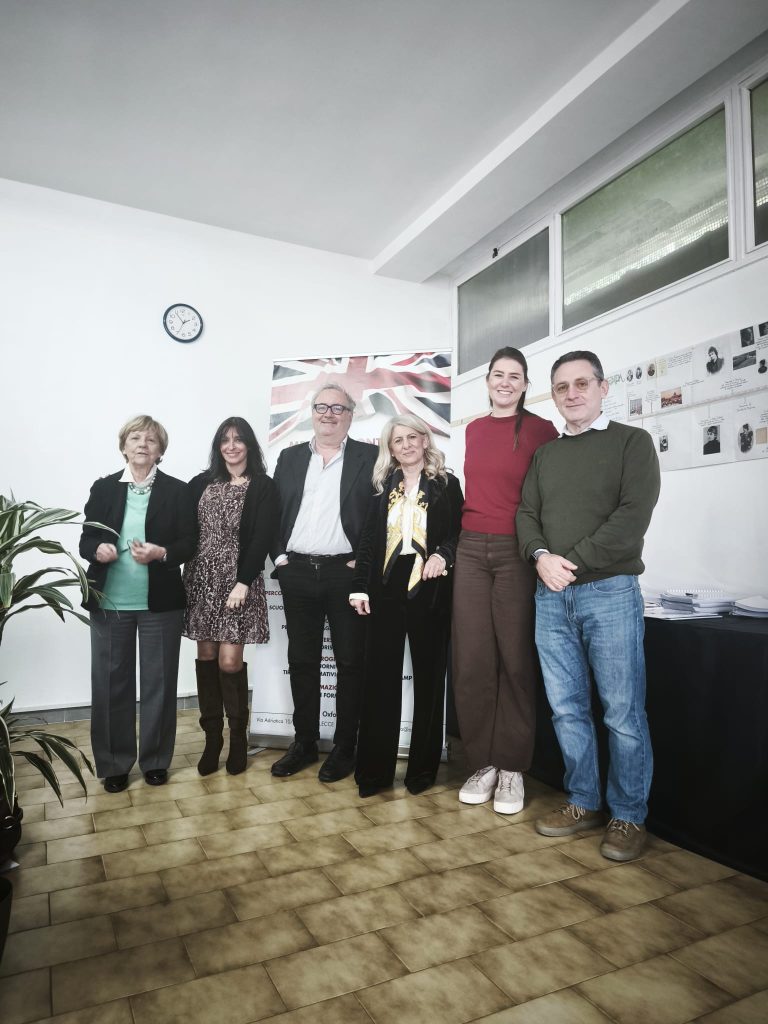
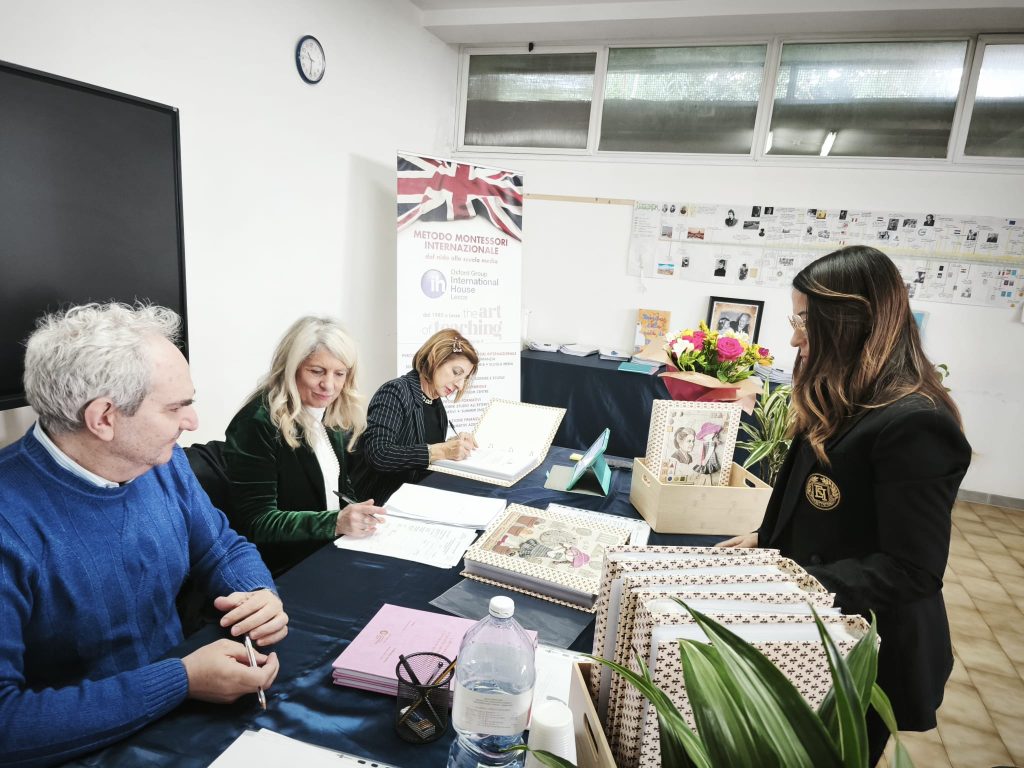
In the days 13 and 14 March 2026 The final examination committee for the Montessori teaching qualification course has convened Infant school teachers in order to evaluate the progress made by the 25 female participants.
The commission was composed of Anna Grazia Buttazzo, Scientific Coordinator of the courses and trainer at ONM; Arianna Romoli, Child Development, Education, and Well-being Psychologist; by the teachers Laura Rinaldi, Tommaso D’Auria, Donata Maria Bruno, in the presence of the Representative of the Regional School Office, Francesco Forliano.
Course exams for Primary school teachers
The 20 and 21 March 2026, Then, it was the turn of the 19 aspiring primary school Montessori teachers. The committee was made up of Anna Grazia Buttazzo, Course Coordinator.; Maria Dentamaro, headmistress of the Mazzini Modugno Institute in Bari at the time of the courses, by the teachers Laura Rinaldi, Tommaso D’Auria and Antonietta Abbatangelo, in the presence of the Representative of the Regional School Office, Giuseppe Vito Clarizio.
“The course we took – the participants declared – has transformed our way of understanding children, by observing them in silence in a built environment for him, ”to make it move independently without the teacher's awareness.".
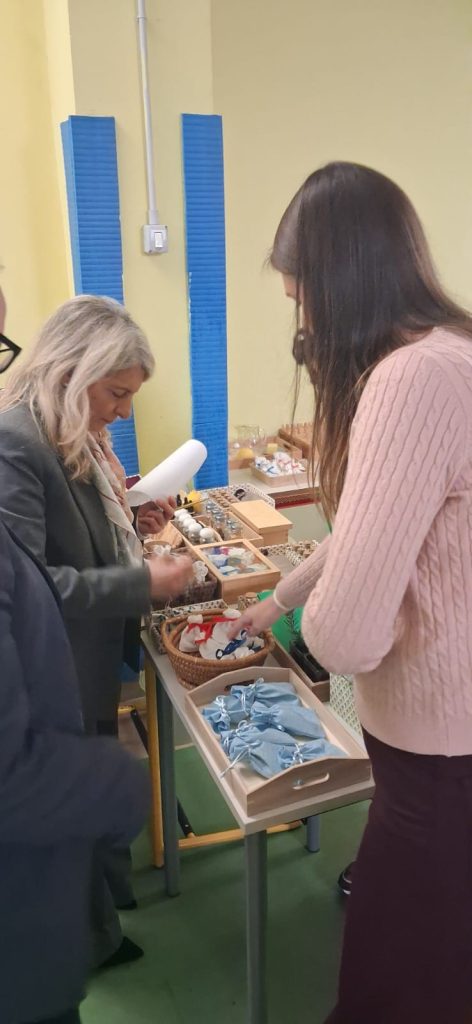
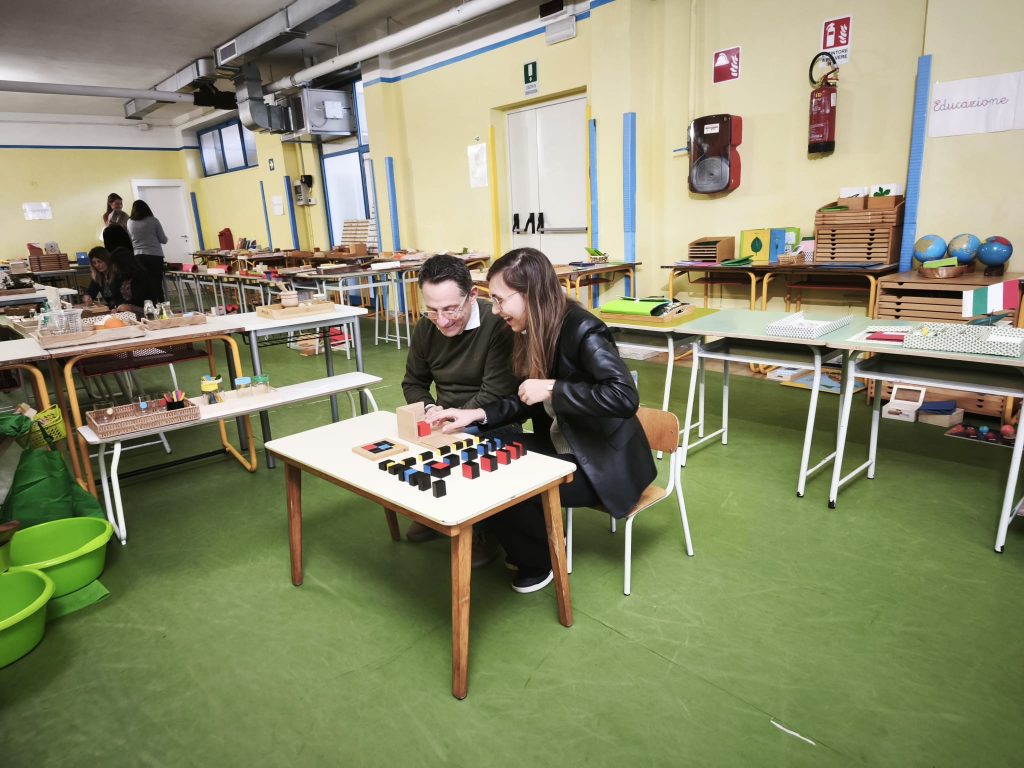
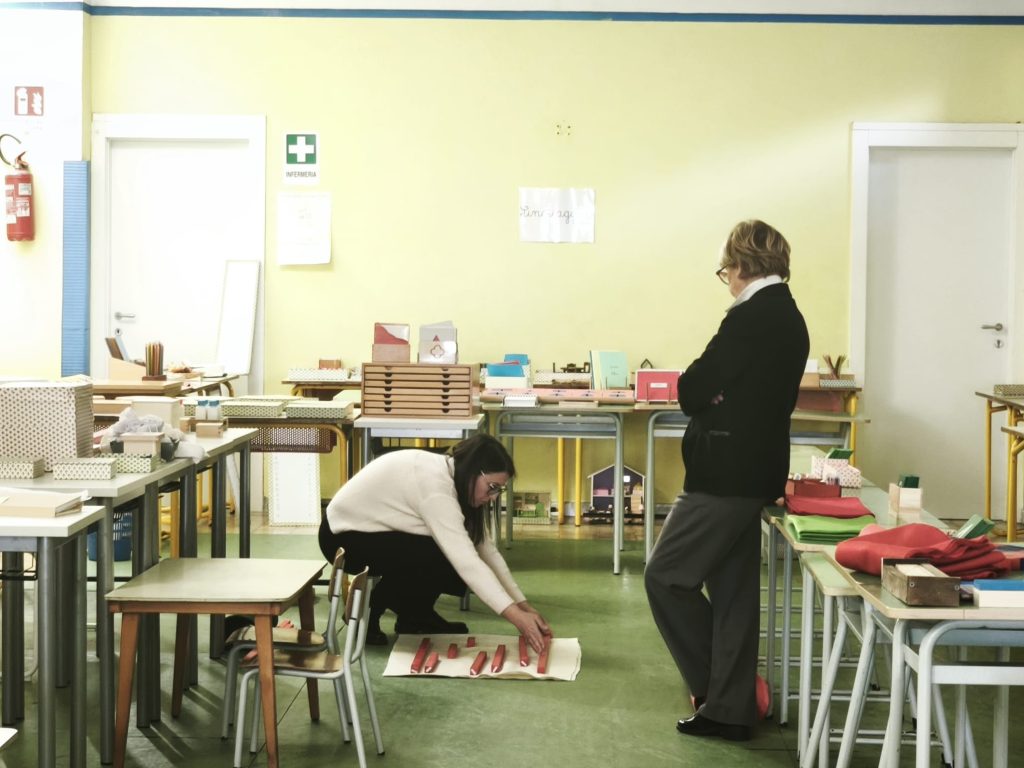
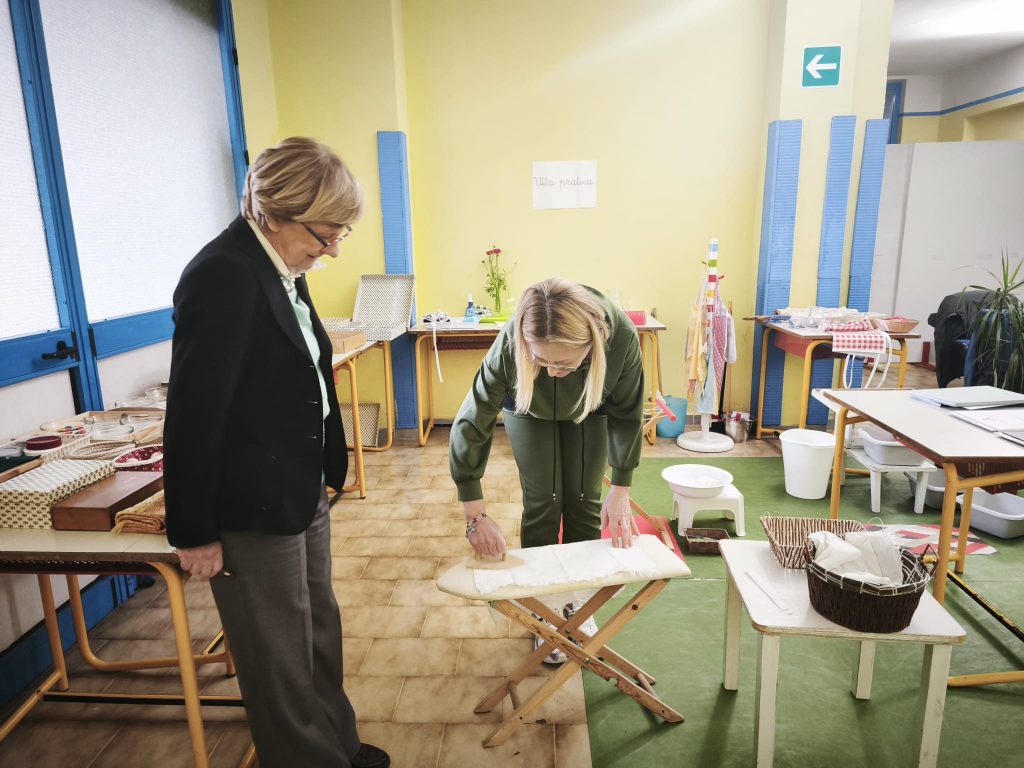
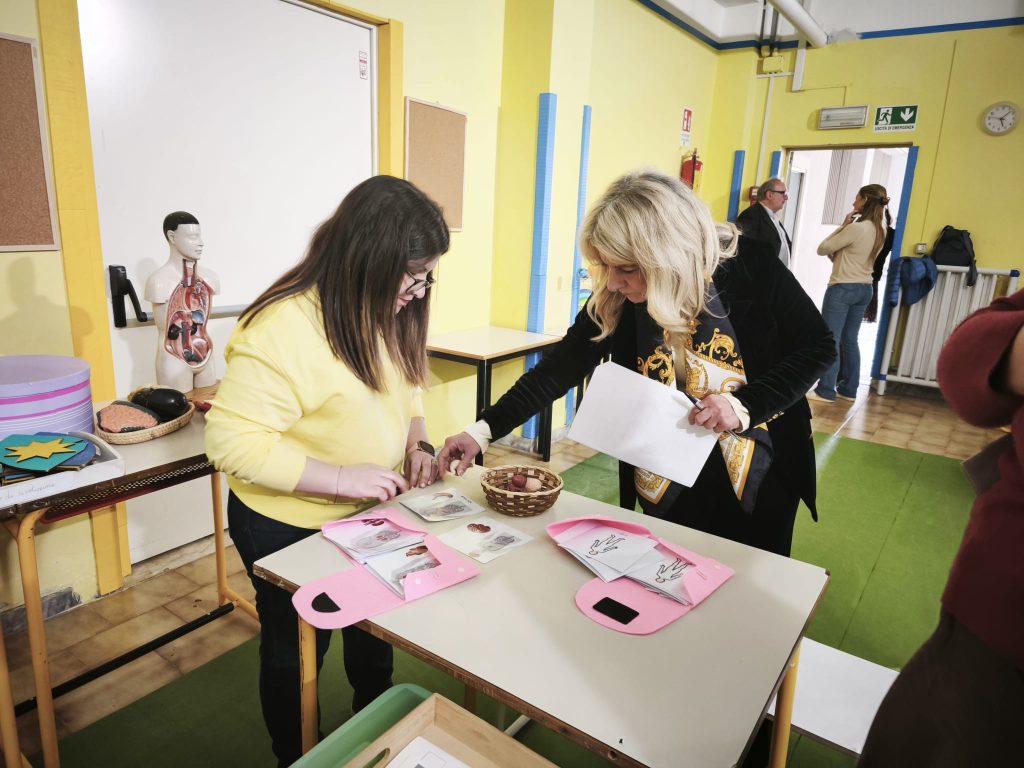
“Every material has a precise purpose and, through their hands, the child learns. The course teaches you to discover what the child carries within to offer that guidance which respects their inclinations.
“It's a challenging path, it requires study and reflection – the participants concluded – teaching is a mission of love, inspired by the principles of Maria Montessori, and the course we followed We'll choose him/her/it a thousand times, it changed our way of seeing teaching and believing in the future of children who are our most important resource”
The’National Montessori Organisation has confirmed full trust in the team led and coordinated by Anna Grazia Buttazzo, reconfirming the excellent results achieved over time in the sign of Montessori education.
Through exploration, the children at the micro-nursery “Casa dei Bambini Oxford They dedicated themselves to a sensory path where the senses became the primary means of knowledge, and “doing” and “touching” became inseparable from “thinking”.
The activity of Sensory mat it stems from the desire to offer children a direct, unmediated experience, where through play they question the world and learn.
The child is an explorer
Every new material and every different texture represents a scientific discovery for him, which helps him to classify the universe around him.
It is precisely through these experiences that we offer children the keys to unlock all doors to knowledge. Maria Montessori stated that “Nothing is in the intellect that was not first in the senses”and it is precisely between 12 and 24 months that touch becomes the main tool for discovery; this is why it is essential to provide materials that offer clear and defined contrasts.
The sensory trail
It's not just about touching, but about distinguishing: smooth from rough, hot from cold, soft from hard. Throughout this journey, our little ones have explored different elements, distinguishing their characteristics: from the delicacy of a soft and cosy fabric to the roughness of jute, right through to the natural solidity of wood. Every texture touched, every sound heard, and every shade of colour observed contributes to building the structures of a child's brain.
The’Sensory education, in this context, it is not a simple playful exercise, but the ground on which future intelligence will sprout and the very basis of cognitive and psychic development. In fact, according to Montessori, the senses are the “points of contact” with the environment.
Through sight, touch, hearing, taste and smell, the child orders the chaos of stimuli around them, learning to classify the properties of objects. Educate the senses not teaching the child to look, but guiding them in’The art of discovering the world with one's own eyes.
From the structure of the atom to the curvature of Spacetime, from the fundamental principles of Quantum Mechanics to the concepts of antimatter and gravity.
Eleonora Tommasi, graduating with honours from the Faculty of Physics at the University of Salento, met the first and second Primary school of the International House Oxford Institute in Lecce.
The book
Story after story, the funny and brilliant Grandpa Einstein Accompany young readers on a journey of revealed mysteries, amazing adventures, and magic spells.
Here, physics hides around every corner, amidst laughter and wonder, science transforms into magic… and the world becomes a grand experiment just waiting to be explored!
The authoress
Eleonora Tommasi, born 1979, she specialises in Medical Physics: a researcher for the National MAGIC-V Group of the I.N.F.N. (National Institute for Nuclear Physics), she teaches Mathematics and Physics in numerous Italian high schools and higher education institutes.
His meeting with the young pupils of the Oxford Institute in Lecce was full of suggestions.“I found children who were attentive, interested, curious, and capable of relating to the world of physics with dexterity and a touch of imagination!” stated the author and physicist.
“The experiments carried out by Eleonora Tommasi with our children are very reminiscent of Maria Montessori's method, where learning is closely linked to the experimentation of the world around them, the observation of nature in all its forms.”they declared The female teachers who were present with the children at the interesting meeting.
“We give the world to the child,” he/she/they argued Maria MontessoriInspired by this warning, the teachers at the IH-Oxford nursery school opened the classroom doors onto the school's garden.
The process of learning and growth, therefore, did not stop within the walls of the classroom, which was populated every day, but went beyond, under the blue of the sky and the green of the pomegranate trees.
Every Friday, indeed, the children put on their colourful raincoats, slip on their cheerful wellington boots and are ready for A thousand and one adventures. The young pupils discover a myriad of insects, observe the colour of leaves and their fantastic shapes, share secrets with a special “telephone”, prepare cakes and pizzas, sift, count, group, and divide, perceiving with all their senses. In short, a free environment that promotes and reinforces their precious creativity.
This appointment fits perfectly with the Montessori philosophy according to which the child needs both nature to reconnect with it, and movement as a means for true learning.
Learning that takes place outdoors, allowing children to move freely and explore with every part of their body, becomes joyful, pleasant learning that will remain with them for life.
The appointment is fixed and regular, and the children now await it with the joy and enthusiasm that allow them to develop a eco-responsible behaviour and to internalise the rules, rituals and timings that belong to this place.
Next Friday, to the next adventure with the awareness that “Children and gardens are alike. A garden is never today what it was yesterday. Neither is a child. One moment and it has already changed.”, as we read in the book by Beatrice Manni and Francesca Ballarini in the book “Children and Gardens”.
curated by educationalist Francesca Guido and the team from the International House Oxford Lecce Nursery School